
Teaching kindergarten kids to play chess
By Vasilije Gallak on Nov 12, 2009 in Berlin
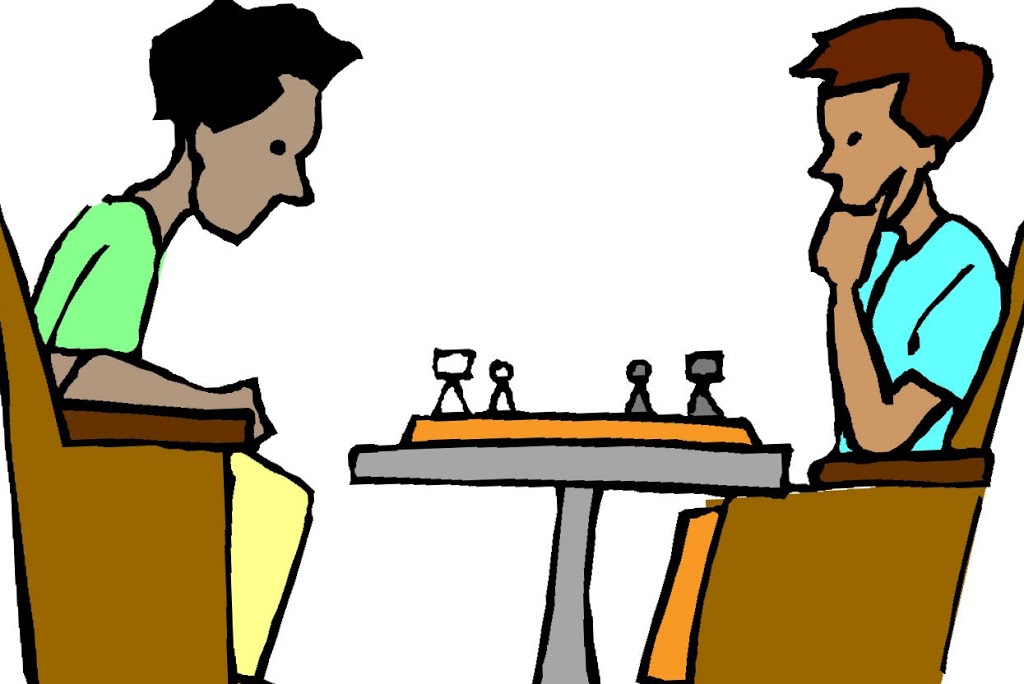
Berlin – Benjamin and Keiko stare deeply into one another’s eyes. The boy would very much like to know what she is thinking and she would love to find out what he has up his sleeve.
Suddenly, Benjamin makes a move, taking one of Keiko’s white pawns with his black king. The two 5-year-olds are kindergartners at Kindernest in Hattingen, Germany and are taking part in a programme to promote and establish chess in the 173 kindergartens in Hattingen and a few other nearby towns in the north-western German state of North Rhine-Westphalia.
Ralf Schreiber, who initiated the programme, said it is the only project of its kind in Germany and so far it is active in 12 kindergartens with a total of 500 children. Researchers are observing the project and have already drawn some conclusions about its effects.
The strategic board game has fascinated Keiko and Benjamin. The two children move pawns, knights and rooks over the board with impressive control.
“No, don’t move your queen,” warned Benjamin politely. “If you do, then I have you in check.”
At the edge of the table sits little Nick, looking on with big eyes. Also five, he is proud about his victory in a match against one of the kindergarten teachers.
Schreiber, himself a passionate chess player, came up with the idea of promoting it in kindergartens when his 2-and-a-half-year-old daughter Sarah inquired about the game. Lured to the board by Smarties, she quickly learned how the various pieces move and the basic rules. Schreiber, 50, said the method he used was proof of the quick mental capacity of children this age.
“If someone thinks playing chess is asking too much of a child, this dissolves when the little ones eat the chocolate candies,” he said.
The director of the kindergarten, Silvia Mahle, knew nothing about chess before the project started, but now she’s enthusiastic about the game.
“We have observed in the children higher levels of helpfulness, patience, respect and also purposefulness, longer concentration and retentiveness,” she said. Speech problems also have diminished.
And the children learn rules, such as the king figures don’t shake hands. Keiko and Benjamin understand this when they move the most powerful figure on the board with its 64 squares. The two kings are not allowed to be left standing on squares next to one another. In this match it will not come to a duel. Keiko asks for a draw and Benjamin grants it.
Marion Boensch-Kauke of Humboldt University in Berlin is studying the development of the children participating in Schreiber’s project and their social behaviour. One finding is that girls like the knight the best.
“But not because it is in the shape of a horse,” said Boensch-Kauke. “The reason is its unusual L-shaped move.” To the researcher this is a positive sign: Creativity is in this way stimulated early. Among boys chess cultivates ways to fight intelligently. In addition cooperation is promoted and playing chess has other positive effects on the atmosphere in the kindergarten. For example, ill-mannered children are considerably calmer when they play chess.
What’s good for children can’t be harmful to adults. That’s according to Schreiber’s chess club in Hattingen, which offers parents the opportunity to learn chess so that they are able to play with their children at home and at the same time do something to improve their mental abilities. And it can be fun.
Schreiber said his initiative is not a talent search or competition. Because they feel no pressure to win, Benjamin and Keiko can sit down at the chess board and look regularly into each other’s eyes. (dpa)
Source: http://eyugoslavia.com

All children must learn how to play chess.